
WiFi & Networks
The Network Behind Every Great Experience
Connecting people, places, and properties.
Almost everything now runs through the network. People expect to connect the moment they arrive — to work, to stream, to pay, to get on with their day — and they notice instantly when they can’t. Connectivity has gone from a convenience to an expectation, and a slow or unreliable network undermines everything else you get right.
But a well-designed network does more than keep people connected. It’s the infrastructure that keeps the whole site running — access control, payment terminals, management systems, CCTV, IPTV. When it’s right, nobody notices. When it isn’t, everyone feels it.
We design, install and manage networks built for demanding, real-world environments — planned around peak demand, the systems running behind the scenes, and the realities of a busy operation.
THE CONNECTED PROPERTY
Wi-Fi. Your Property's Heartbeat.
Wi-Fi isn’t just browsing the internet. In a modern commercial property, it’s the central nervous system.
Your guest room TV’s, your door locking system, your payment terminals, your building controls, your CCTV — all of it runs on the same network infrastructure. A poorly planned network doesn’t just frustrate customers, it creates operational problems that cost time and money.
Get the foundations right, and everything built on top of them works the way it should.
WHERE COVERAGE MATTERS
Connectivity Across Every Area
Guests don’t stop using Wi-Fi when they leave their room. We plan access points across every area of your property — so coverage goes where they do.
Guest Rooms & Corridors

The room is where it matters most
Guests spend the majority of their time in their room — and WiFi is the first thing they test when they arrive. A slow or unstable signal here will end up in a review.
We plan access point placement based on your building’s layout and materials. Thick walls, concrete floors, and older plasterwork all affect signal in ways a standard setup doesn’t account for. Every room gets consistent coverage, not just the ones nearest the router.
Corridors and lift lobbies are often overlooked — but they’re where handoffs between access points happen. We ensure the transition is seamless, so a guest’s connection stays live as they move through the building.
Shop Floors & Customer Areas

Keep retail moving from browsing to checkout
Wi-Fi is absolutely crucial in modern retail, acting as a foundational tool for both customer experience and operational efficiency.
It enables mobile payments, instant inventory checks, and higher sales through increased dwell time and personalised marketing.
It also supports “phygital Shopping” – shoppers use Wi-Fi to compare prices, read reviews, and check for items not in stock, bridging the gap between online and in-store.
Point of Sale & Checkout Zones
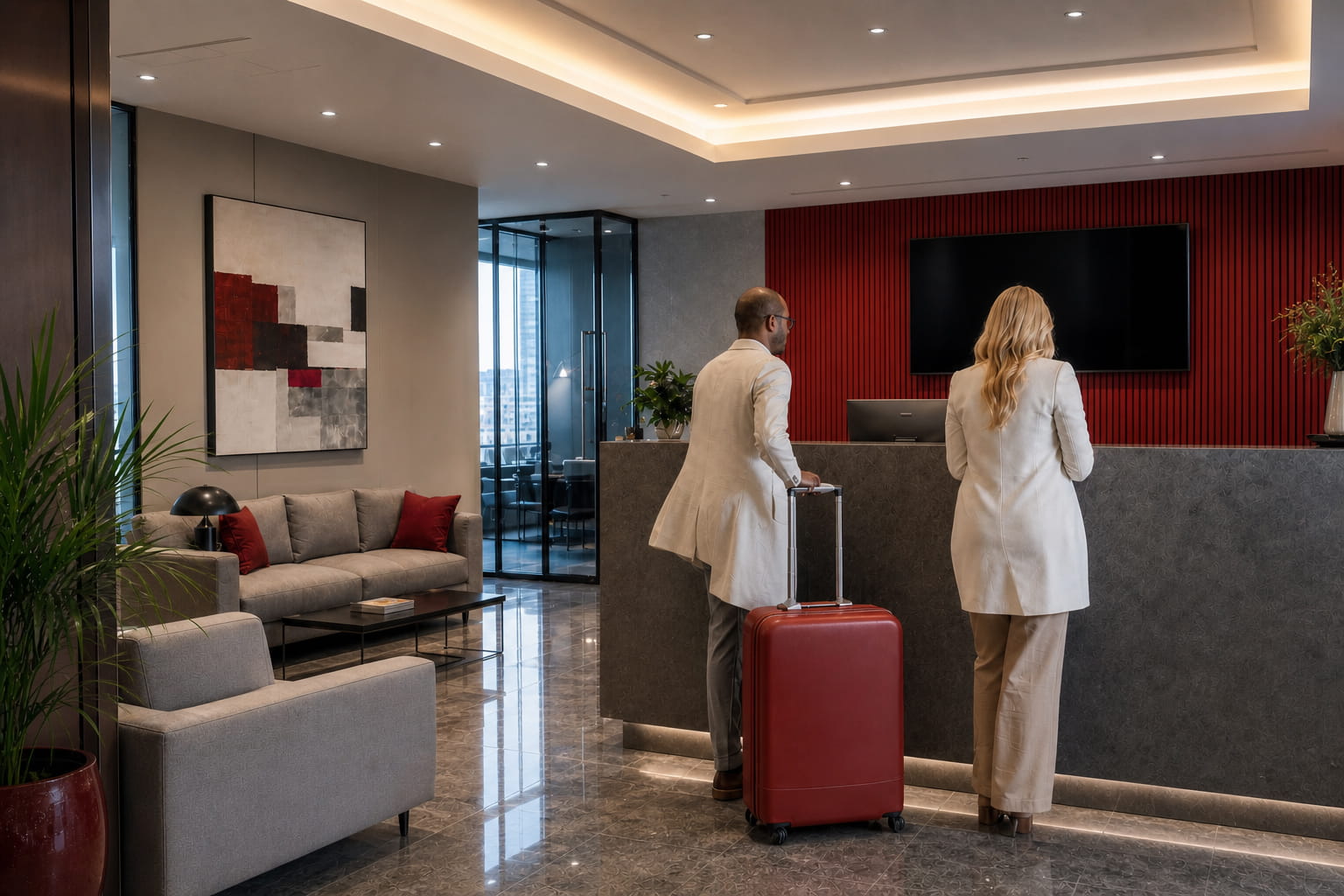
Support every transaction, from till to tablet
Checkout areas rely on fast, stable connectivity to support the systems that keep customers moving.
From EPOS terminals and mobile payment devices to self-service kiosks, queue-busting tools and connected staff handhelds, the network needs to perform at the exact point where delays are most visible.
A well-designed Wi-Fi environment helps reduce disruption, support smoother transactions and keep the customer experience moving.
Communal & Shared Spaces
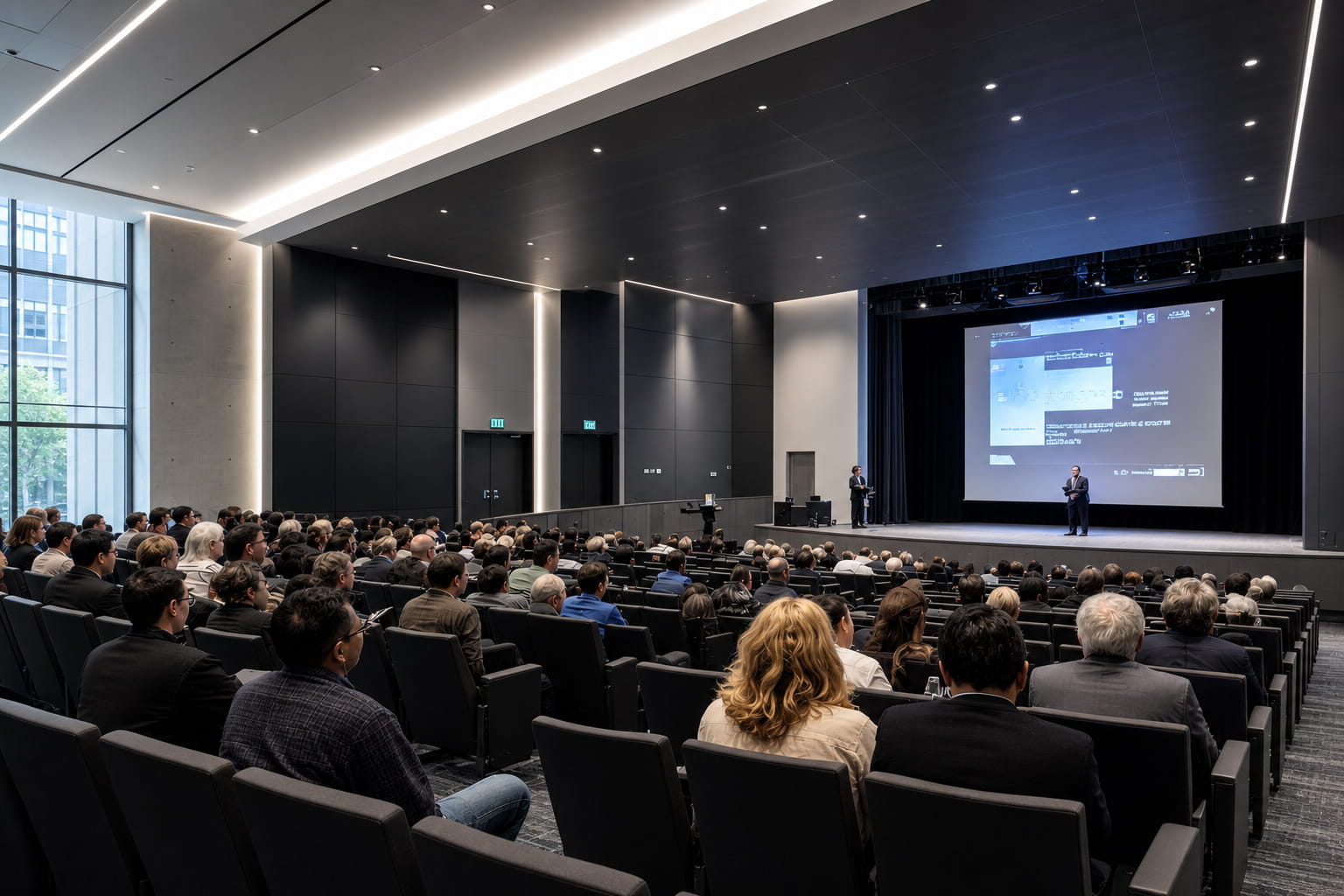
Built for moments that matter most
Your highest-profile moments — conferences, weddings, awards ceremonies. High-density people environments. A big test for your network. A full room of delegates connecting at once can overwhelm infrastructure that works fine day-to-day.
We design event space coverage to handle these peaks without affecting the rest of the property. Dedicated connections can be configured for event use, keeping corporate and guest traffic separate and ensuring organisers have the bandwidth they need for presentations and live feeds.
Flexible coverage means your ballroom can serve an intimate dinner one evening, and a 300-person conference the next.
Coworking Environments
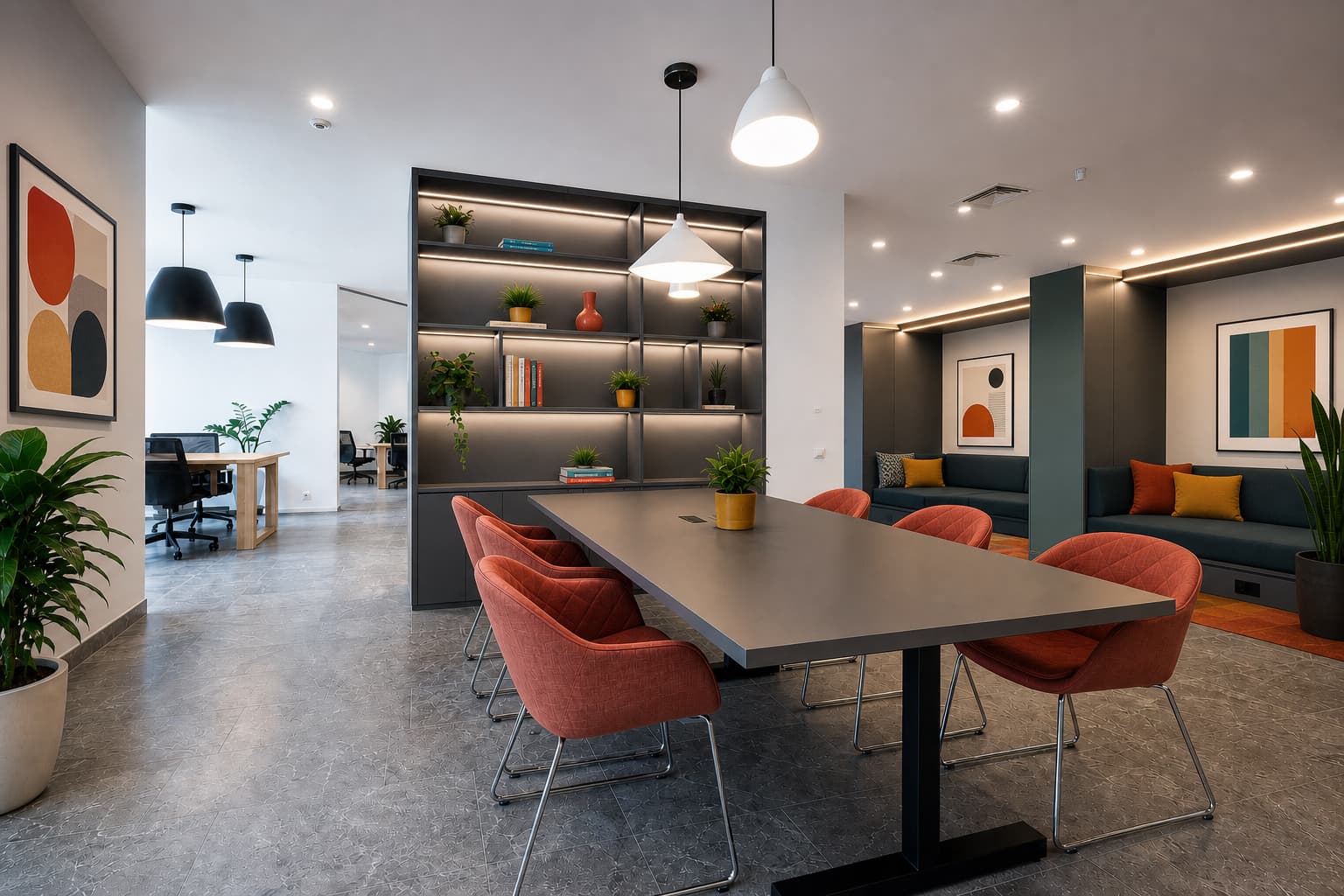
Built for bandwidth heavy environments
Coworking spaces place high demands on the network, with multiple users often working, streaming, uploading, downloading and joining video meetings at the same time.
From freelancers and hybrid teams to visiting clients and shared office users, everyone expects fast, stable connectivity without dropouts or slowdowns.
A well-designed Wi-Fi environment helps support high-density usage, bandwidth-heavy applications and the flexible way people work today.
Stadia
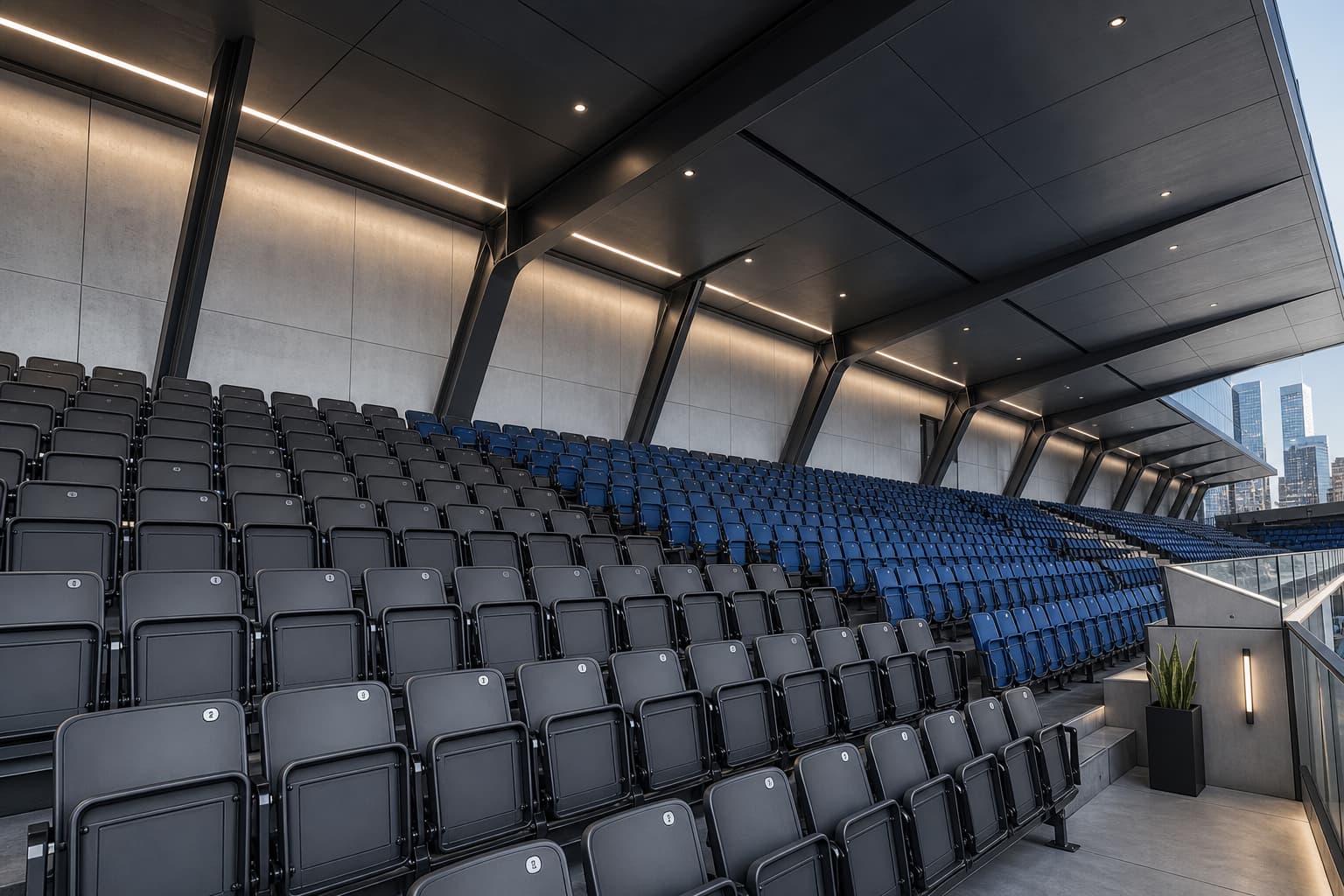
Connectivity built for high-capacity venues
Stadia place intense pressure on connectivity, with thousands of people trying to get online at the same time, share content, access tickets, use apps and make payments at the same time.
From matchdays and concerts to conferences and major live events, the network needs to support large crowds, high-density usage and the operational systems working behind the scenes.
A well-designed Wi-Fi environment helps improve the visitor experience, support digital services and keep venue teams connected when demand is at its highest.
Meeting & Conference Rooms
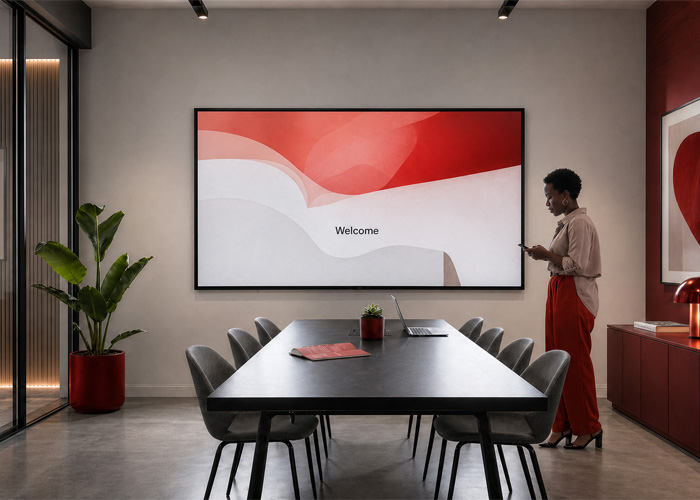
Where poor Wi-Fi has real consequences
Business guests have little patience for connectivity that lets them down. A dropped video call or a presentation that buffers mid-meeting reflects poorly on your property — and corporate bookers have long memories.
Meeting rooms need consistent, reliable performance for video conferencing, regardless of what else is happening across the property. We configure the network so business-critical spaces are prioritised accordingly.
For properties targeting the meetings and events market, this matters more than most. Connectivity is part of the brief when groups are deciding where to book — not an afterthought they’ll overlook once they arrive.
Outdoor Spaces & Terraces
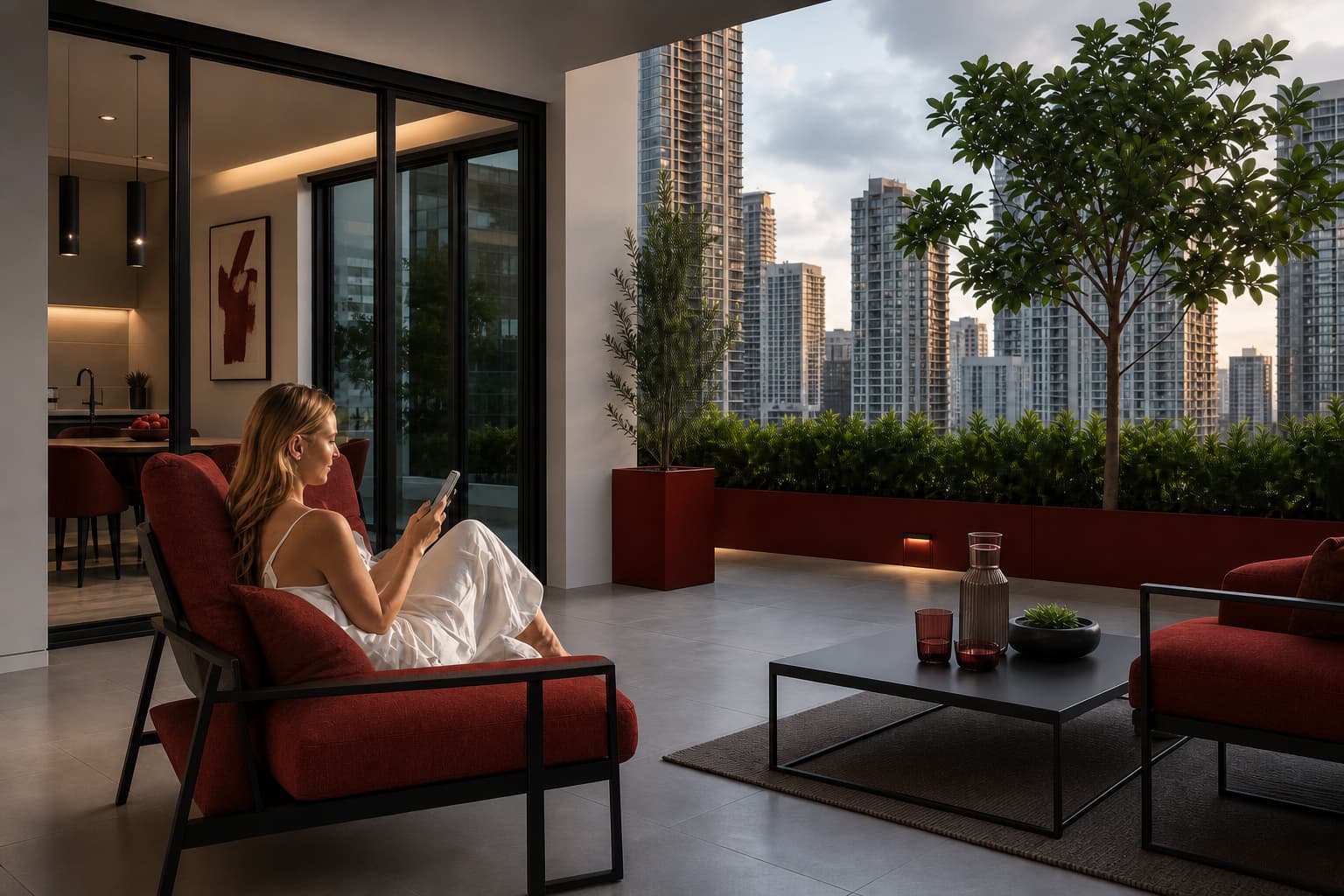
Coverage beyond four walls
Terraces, gardens, and pool decks have become genuine selling points for hospitality properties — and guests expect connectivity to follow them there just as readily as anywhere else.
External environments need hardware built for them. Weatherproofed access points, planned around open spaces and the specific challenges they present, rather than indoor equipment pushed beyond its limits. We design coverage for every part of your property from the start — outside included.
That extended network does more than keep guests connected. CCTV, event AV, and environmental monitoring all run more reliably when the infrastructure beneath them has been properly thought through.
BACKUP, RESILIENCE, & REMOTE CONNECTIVITY
Keeping Sites Connected When Fixed-Line Services Are Not Enough
.
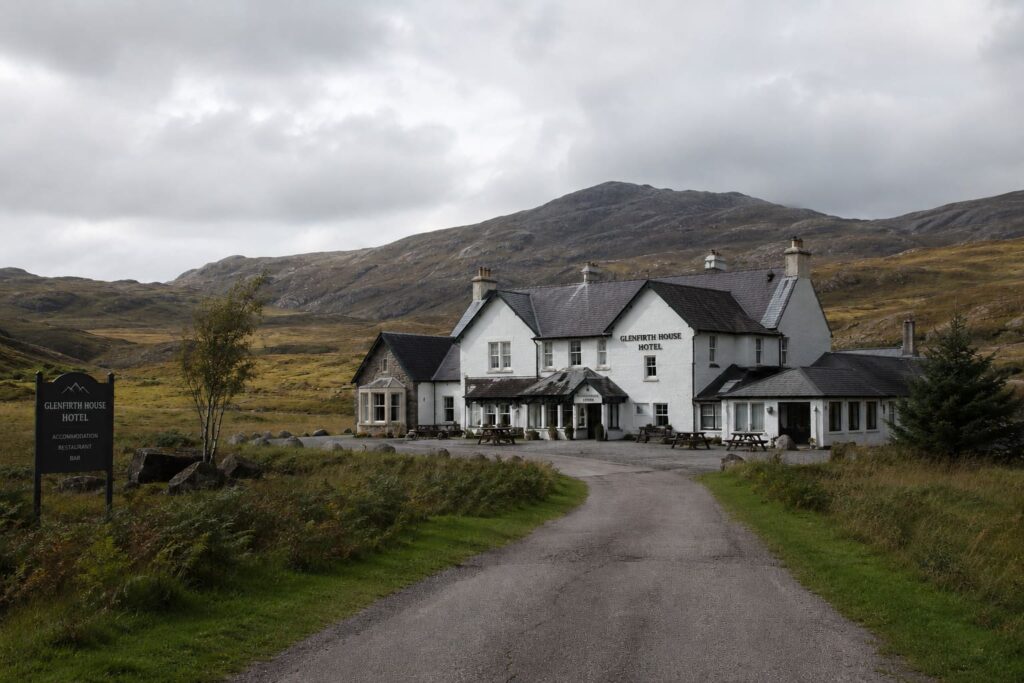
Not every environment can rely on a fixed-line connection. Some sites need temporary connectivity while services are being installed, some need backup in case of outage, and others operate in locations where traditional broadband is unavailable.
airwave connect can support 4G, 5G, and satellite connectivity as part of a broader network design. This includes resilient connectivity for remote or rural sites, temporary spaces, outdoor areas, and operational environments where reliable access is critical.
From mobile connectivity to satellite communication systems, including VSAT and low earth orbit satellite services (such as Starlink), we can help organisations stay connected where conventional infrastructure is not enough.
4G & 5G
Connectivity
Supporting temporary sites, backup connections, pop-up locations and areas where fixed-line services are limited.
Satellite
Services
Connectivity for remote, rural or hard-to-reach locations, including VSAT and low earth orbit satellite options.
FULL-TURNKEY SERVICE
What Working With Airwave Connect Looks Like
Every project starts with understanding your property. Here’s how we get from that first conversation to a network that’s fully installed, tested, and supported.
01
We start by listening
Before recommending anything, we want to understand your property, your guests, and the problems you’re experiencing. Complaints about speed? Dead spots in specific areas? Unreliable coverage during events?
This conversation shapes everything that follows. There’s no standard package — your network should reflect how your property works.
02
Survey and heatmapping
We survey your property in person, then build an RF heatmap — a digital model of signal strength across every space, before a single piece of hardware is specified.
Dead spots are designed out (not discovered afterwards.) The result is a Wi-Fi plan built around your building, not a standard template applied to it.
03
Bespoke design, bespoke proposal
We produce a network design tailored for your property — access point locations, cabling, switch infrastructure, and how traffic will be managed for different user groups.
The proposal that follows is clear and itemised. Hardware, installation, and ongoing support — all visible upfront. No surprises when the invoice arrives.
04
Installation
All installation is carried out by airwave connect’s own engineers, planned around your operational schedule — phasing works to avoid disruption to guests, customers, and staff, overnight shifts, room-by-room sequencing, or whatever the property requires.
No subcontractors. No strangers on site. The people who designed your network install it.
05
Setup, verification, handover
Before go-live, we configure the user experience — branded portal, access tiers, and any integrations with your property management system. A post-deployment survey confirms coverage matches what was designed.
Full handover documentation is provided, and your team is walked through the system before we leave. Nothing left unexplained.
06
Ongoing support
Once you’re live, we monitor your network around the clock. Many issues are identified and resolved before customers or staff are even aware of a problem. When something needs attention, our UK-based team responds to SLA-defined timescales.
You’ll have a named account manager — someone who knows your property and your requirements, not whoever happens to pick up the phone.
THE GREAT GUEST EXPERIENCE
What Great Connectivity Means in Practice
Technical performance is only part of the picture. The real measure is how well your network supports the people, devices and systems that rely on it every day.

Better reviews, more bookings
Customers rarely write reviews about Wi-Fi when it works. They write them when it doesn’t
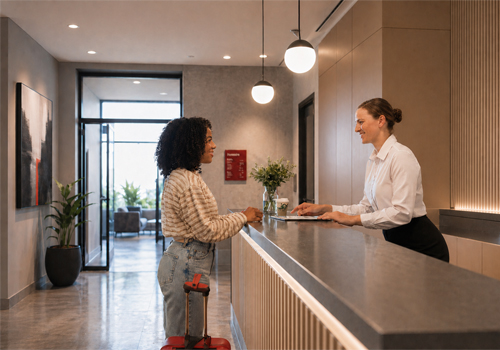
Seamless from arrival to checkout
From the lobby login to last night’s streaming — consistent speed and smooth handoffs between spaces, so guests never think about their connection twice.

The network that pays for itself
Standard Wi-Fi for every customer, a premium tier for those who need more. Tiered access lets you monetise the network without compromising the base experience.

Security your customers can trust
Properly segmented networks help protect users, business systems and sensitive data. Visitor access, staff devices, payment systems and operational platforms can all be kept appropriately separated.

Your team works better too
Reliable connectivity supports the tools your teams use every day — from handheld devices and cloud platforms to stock systems, collaboration tools and building operations.

Operational visibility
Cloud-managed infrastructure gives teams clearer visibility of performance across the estate. Issues can be identified early, managed remotely and resolved before they affect the people using the space.
WIFI & NETWORKS
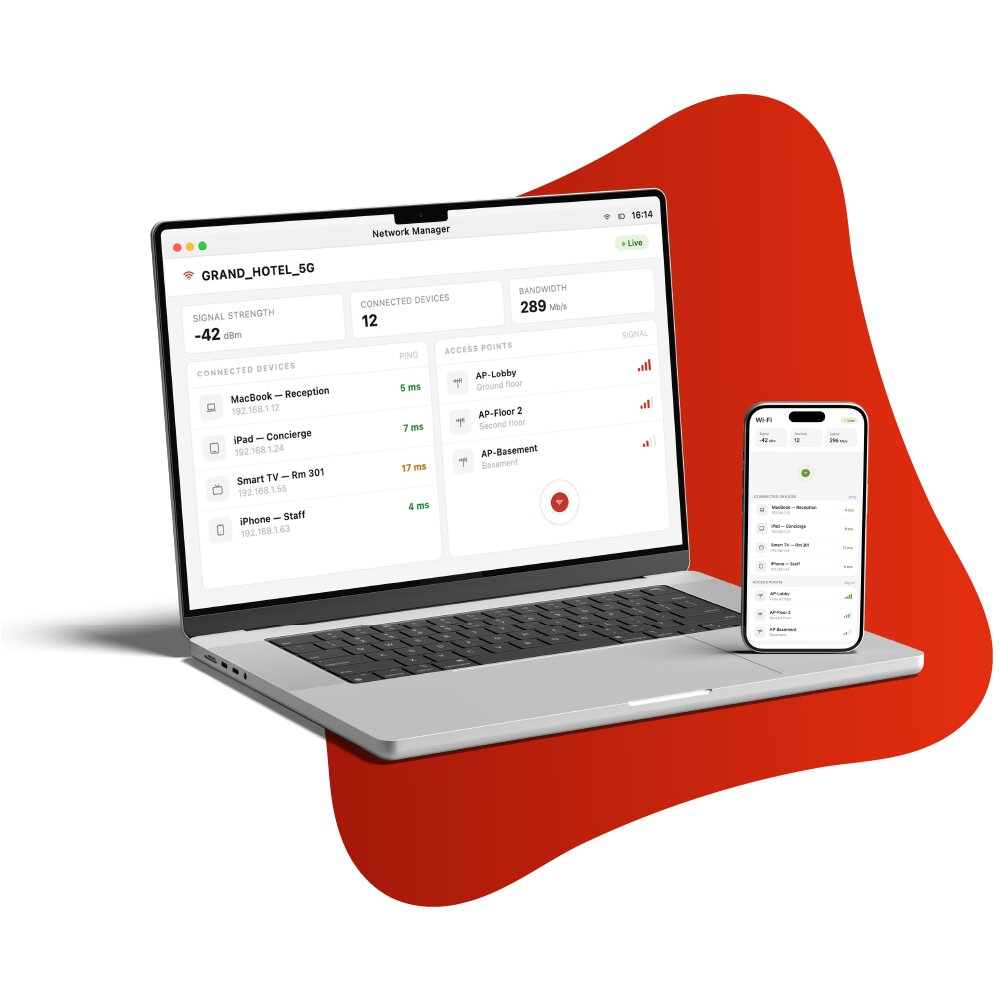
Explore Our Connectivity Solutions
From high-performance Wi-Fi to robust wired networks and connected infrastructure, we design and deliver connectivity that keeps modern spaces working.
FIND OUT
FAQs
What Wi-Fi and network services do you provide?
We design, install and support managed Wi-Fi, wired networks, switching, access points, guest and staff networks, segmentation, monitoring and resilient connectivity options, including 4G, 5G and satellite solutions for sites where fixed-line services are unavailable, delayed or underperforming.
What is a managed Wi-Fi service?
A managed Wi-Fi service means the network is monitored, supported, and maintained by a specialist provider.
This can include design, installation, configuration, support, updates, fault investigation, reporting, and ongoing performance management.
Managed Wi-Fi can reduce pressure on internal teams and help ensure problems are dealt with quickly and professionally.
Can you improve Wi-Fi without replacing everything?
Often, yes. We assess the existing infrastructure first. In some cases, repositioning access points, improving configuration, upgrading switching or adding coverage in specific areas can make a significant difference without a full replacement.
What is Wi-Fi coverage?
Wi-Fi coverage refers to where the wireless signal is available across the property.
Good coverage means customers and staff can connect in the places they need to use the service.
Poor coverage can create dead spots, weak signal areas, and inconsistent performance, even when the site’s internet connection itself is strong.
What are WiFi access points?
Access points are the devices installed around a property to provide wireless signal.
They are usually mounted on ceilings, walls, or discreet locations throughout the building. Each access point serves a particular area, such as a group of rooms, a corridor, a meeting space, or a public area.
The number, type, and placement of access points has a major impact on WiFi performance.
How many access points does a property need?
How long is a piece of string? It depends on the building layout, construction materials, number of rooms, expected usage, conference requirements, public spaces, and the systems using the network.
A small boutique hotel may need a relatively simple design. A sports stadium with meeting rooms, thick walls, multiple floors, and restaurants will need a much more carefully planned deployment.
The best approach is to assess the building and design the network around real usage requirements, rather than relying on a fixed ratio of access points to rooms.
Why is my Wi-Fi so slow?
Slow Wi-Fi is not always caused by the internet connection. It can come from weak coverage, poor access point placement, interference, old cabling, overloaded equipment, limited bandwidth, or too many users and devices competing for capacity. A proper network review helps identify where the issue is coming from before money is spent on the wrong fix.
How much bandwidth does my property need?
It depends on the number of rooms, occupancy levels, customer expectations, meeting and event requirements, staff systems, streaming demand, and connected technology.
A property that mainly serves transient leisure guests will have different needs from a business hotel with large conference spaces and high daytime usage.
The aim should be to provide a frictionless, uninterrupted, and fast usage experience, so users can connect easily, move around the property, and use the services they expect without drop-outs, delays, or repeated login issues.
The best approach is to look at real demand, expected growth, and the systems the network needs to support.
Can Wi-Fi be branded?
Yes. Customer WiFi can include a branded login journey, using the brand’s logo, colours, imagery, messaging, and terms of use.
This can help create a more professional first impression and may also support communications, loyalty messaging, promotions, or conference-specific access.
The key is to keep the process simple. Users want to connect quickly and easily, with minimum fuss.
My property is old / I'm worried that Wi-Fi will disturb the aesthetic.
Yes – but only if it is properly designed, configured, and managed.
Security usually involves separating guest, staff, and operational networks; using appropriate encryption; controlling access; monitoring performance; keeping equipment updated; and applying sensible policies.
Open or poorly managed networks can create risks, particularly when guest traffic and hotel systems are not properly separated.
I want to install / improve my Wi-Fi service but am worried about disruption during installation
WiFi installation or improvement work can usually be planned in a way that minimises disruption to guests, staff, and day-to-day hotel operations.
The level of disruption depends on the property, the existing infrastructure, and the scale of the upgrade. Some projects may involve replacing or reconfiguring existing access points, while others may require new cabling, switches, cabinets, or a wider network redesign.
In a hospitality environment, the installation plan should take occupancy, trading hours, guest areas, events, and operational priorities into account. Work can often be phased by floor, area, or building, with noisy or intrusive tasks scheduled carefully around quieter periods.
The aim is to improve the WiFi service without creating unnecessary disruption, so guests continue to receive a professional experience while the hotel’s connectivity is upgraded.
Can you support Wi-Fi across outdoor areas or difficult buildings?
Yes. Older buildings, thick walls, large open spaces, terraces, courtyards and outdoor areas can all create coverage challenges. We assess the environment properly before recommending the right approach.
What happens if our fixed-line connection is delayed or unreliable?
We can provide alternative or backup connectivity, including 4G, 5G and satellite options, to help keep sites connected when fixed-line services are unavailable, delayed or underperforming.
How do we get started?
We start by understanding the building, current setup, connected systems and problem areas. From there, we can recommend whether you need a targeted improvement, a phased upgrade or a full network redesign.
Your question not here? Get in touch: connect@airwaveconnect.co.uk
ABOUT OUR WORK
Related
Articles
Case studies, project updates, and industry thinking from the airwave connect team.
ABOUT OUR WORK
RELATED ARTICLES
We’re proud of what we do and encourage all prospective clients and partners to take a look at our day-to-day activities.
GET STARTED
Ready to Connect Your Future?
Whether you’re refurbishing, experiencing problems, or just want an honest assessment of what your network should be doing — we’re here to help. No jargon, no hard sell.